For EPCs, electrical contractors and OEM logistics managers
The switchgear can't sit in a laydown yard.
Staging for the long-lead electrical and energy equipment behind Alberta's buildouts: transformers, switchgear, cable reels, busway and generators, held indoors on a heavy Calgary floor until the site is ready, with flat deck and power-tailgate delivery on our own trucks.
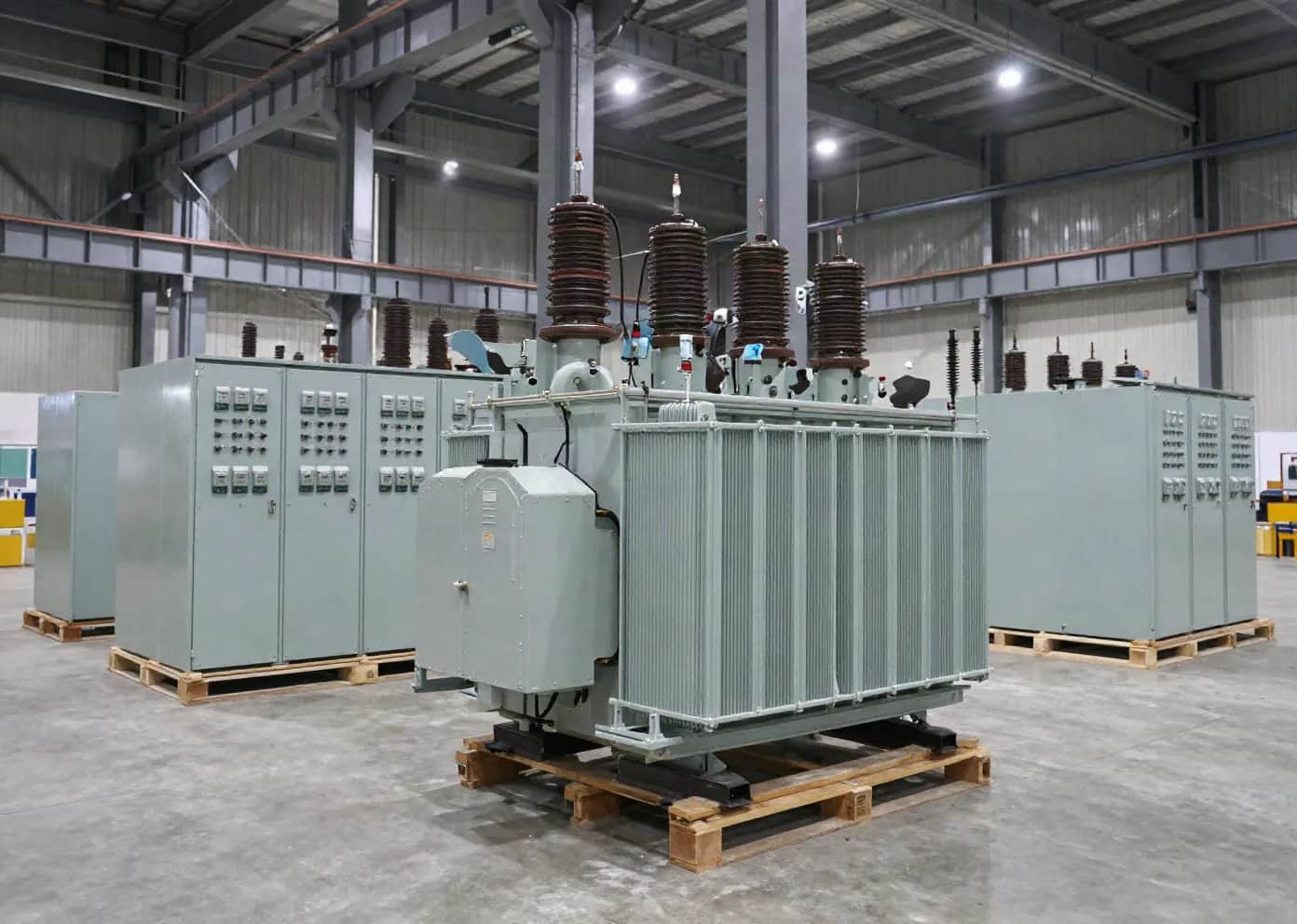
Does Rolls Right stage electrical and energy equipment?
Yes. Rolls Right stages long-lead electrical and energy equipment (transformers, switchgear, cable reels, busway, generators and packaged electrical gear) at its 100,000+ sq ft Calgary warehouse at Unit 1A, 4770 68 Avenue SE. The building has 28-foot clear height, a 47 by 35 foot column grid, six dock doors and ESFR sprinkler protection, and transformers are already among the product classes held in Rolls Right buildings. Equipment is received on the manufacturer's schedule, held dry and secure, and released to site in sequence as the project calls it in, with flat deck and power-tailgate delivery on Rolls Right's own trucks for sites without a dock. Dangerous goods, including batteries, are assessed case by case against the SDS.
Calgary facility
- Facility size
- 100,000+ sq ft
- Building class
- A-Class warehouse
- Zoning
- I-G (Industrial General)
- Industrial park
- East Foothills
- Clear height
- 28 feet
- Dock doors
- 6
- Sprinklers
- ESFR, rated for high-pile storage
- Security
- 24/7 CCTV and overnight security
- Climate
- Heated, with make-up air and gas unit heaters
- Lighting
- Motion-sensor
- Column grid
- 47 ft × 35 ft
- Equipment
- Electric forklifts, on-site charging
- Parking
- Common stall parking on site
- Transit
- Served by Calgary Transit
The problem
What usually goes wrong.
Power gear is ordered on lead times measured in quarters, and it lands when the factory ships it, whether or not the pad is poured, the electrical room exists or the site is ready to energize. A transformer or a line-up of switchgear that arrives early has to wait somewhere, and a laydown yard is a hard place to wait: weather, theft, and a finish that still has to survive commissioning.
Against the budget of a substation, a data centre or a plant expansion, warehousing is a rounding error. What costs money is damage to gear with a six-month replacement lead, a delivery that can't be sequenced to the install, or a crane crew standing by for equipment stuck on the wrong side of the city. The questions that matter are dock speed, damage rate, and whether release can follow the commissioning schedule.
This product class is already in our buildings, transformers among them, and the freight side runs the flat deck and power-tailgate equipment that moves it. Tell us the delivery schedule the OEM has given you and we'll hold the gear until the site can take it.
Capabilities
What we run for electrical & energy
- Staging for transformers, switchgear, cable reels, busway, generators and packaged gear
- 28 ft clear height, ESFR protection and a 47 ft × 35 ft column grid for long, heavy product
- Indoor storage that keeps gear dry, secure and out of the weather
- Release to site in sequence, on the commissioning schedule
- Flat deck and power-tailgate delivery to sites and substations without a dock
- Container de-stuffing and drayage for imported equipment, off the CN and CP ramps daily
- Short-term project space on terms measured in months, scaling with the buildout
What we'll actually claim
No borrowed credibility.
The product class is already here: transformers sit in Rolls Right buildings today, staged for this kind of scheduled release, and the flat deck and project freight that moves them is work we already quote. The rest of the case is the building: the clear height, the ESFR rating and the column grid are on this page, and you're welcome to walk the floor with your rigging plan.
Brands that trust us


















Where it runs
Served from Calgary and Vancouver.
Purpose-built space in the Foothills industrial corridor, with our own trucks running the Calgary–Vancouver lane six days a week.
FAQ
Questions we get asked
Can you hold equipment until the site is ready for it?
Yes. Gear comes in on the manufacturer's schedule and goes out on the project's: by area, by line-up, or on the commissioning manager's call. Tell us how the install is phased and we'll release it in that order. It also firms up your side of the schedule, because crews and crane windows get booked against gear already sitting across town instead of against an ETA.
The gear comes from six OEMs in forty shipments. Can you be the one receiving point?
Yes. Every shipment lands under one project account, counted on arrival, whichever OEM sent it, and anything that arrives damaged goes on the record the day it lands, while the freight claim is still live. The site stops juggling forty arrival dates and starts calling for sequenced deliveries from one floor across town.
How heavy can a single piece be?
Tell us the piece weight and the footprint and we'll give you a straight answer. Floor loading, handling equipment and how it arrives (skidded, crated, or needing a specific lift) all get confirmed before we quote, because getting that wrong at the dock is expensive for everybody.
Can you deliver to a substation or a site without a dock?
Yes. We run flat deck and power-tailgate equipment on our own fleet for that. Tell us the site constraints (access, hoarding, crane windows) and we'll confirm the equipment before quoting the move.
Our gear is imported. Can you handle the container and rail end?
Yes. We pull containers on our own chassis from the port and the CN and CP rail ramps daily, strip them, and put the product away. One company covers the drayage, the de-stuff, the storage and the final delivery to site.
The OEM has shipped and invoiced, but the site won't be ready for months. Where does the gear sit while it's on our policy?
In a named building at Unit 1A, 4770 68 Avenue SE, received and counted under your account, on camera around the clock. That is a documented location rather than a laydown yard, which is usually what the policy question comes down to. Tell us what the underwriter requires and you will get a straight answer on what we can document before the gear lands.
Cable reels and copper have a way of leaving laydown yards. What does security look like here?
Your gear sits inside a building, behind a dock door, with 24/7 CCTV and overnight security watching the floor. A reel that would sit on a fence line at a laydown yard sits in racking here, on camera, under a roof. You are welcome to walk the coverage with your security lead before anything moves.
What about batteries, oil-filled transformers or anything classed as dangerous goods?
Case by case. Send the class and the SDS and you'll get a straight yes or no. Whether gear ships drained or filled changes the answer, so it's worth telling us up front.
The buildout runs eighteen months. Is that too long to stage?
No. Long dwell is normal for this product class. Terms are measured in months and scale with the project, and a buildout that needs a year of staging is good business for us.
Get a quote
Tell us what you move.
Every line itemised and back inside 48 hours.
Tell us what you move.
Send the pallet count, how often it turns and where it ships. You'll get a real number back inside 48 hours, and a straight answer about whether we're the right building.